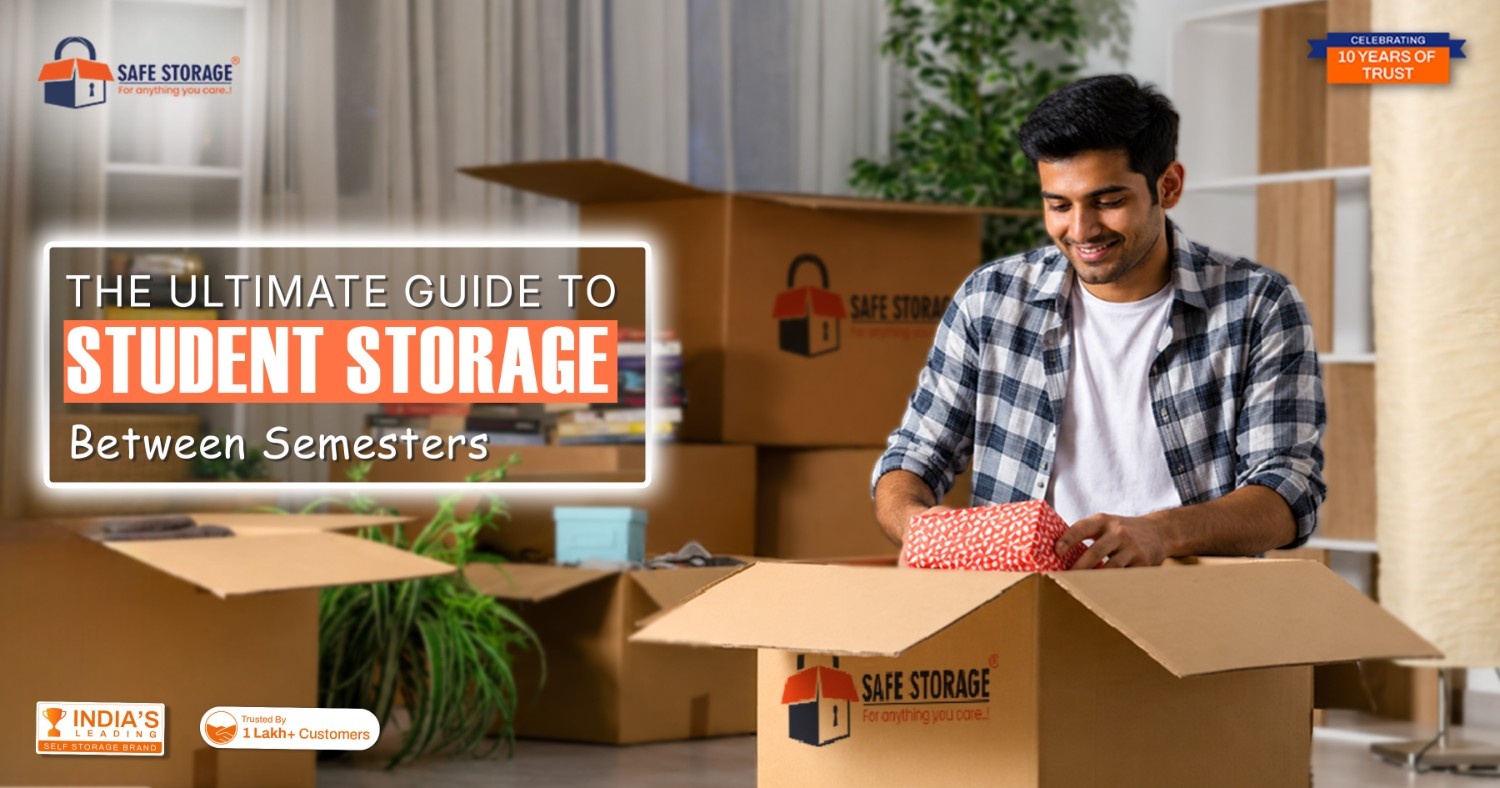
The Ultimate Guide to Student Storage Between Semesters
Every few months, the same scene plays out in hostels and PGs across India. Semester ends, exams are done, flights and trains home are booked — and suddenly every student is staring at a room full of things with nowhere to put them. Books, a mattress, a mini-fridge, winter clothes, a cycle, kitchen bits collected over a year. You cannot carry it all home. You cannot always leave it in the hostel, which often clears rooms over the break. And throwing it away or buying it all again next semester is money most students simply do not have.
This is one of the most common storage situations we handle at SafeStorage. Having helped over one lakh customers across more than sixteen cities store their belongings, we have seen how a simple, affordable storage plan turns a stressful end-of-semester scramble into a five-minute decision. This guide covers everything a student needs to know about storing belongings between semesters — the options, the practical tips, the benefits, and the questions everyone asks.
Why Student Storage Between Semesters Matters
Semester breaks are longer than a weekend trip but shorter than a permanent move, which makes them awkward. A one-month or two-month vacation is not worth hauling everything home for, especially if home is in another state. At the same time, leaving valuables in a shared or vacated hostel room is rarely safe. Temporary storage fills exactly this gap: a secure place to leave your things for weeks or months, then get them back when you return, without paying rent on a room you are not using.
Consider a common situation we see every summer. A student in a Bengaluru PG, originally from another state, finishes exams in May and heads home for two months. She owns a mattress, a mini-fridge, two cartons of books, a cycle, and a wardrobe of clothes she cannot fit into a single suitcase. Carrying it all on a flight is impossible; leaving it in a PG that reassigns rooms over summer is risky; and re-buying everything in July makes no financial sense. A doorstep storage plan solves all three problems at once — the belongings are collected, stored safely for the exact number of months she is away, and delivered back to her new room before the next semester begins. She travels home with one bag, pays only for the months she uses, and returns to find everything intact. This is the everyday reality student storage is built for.
Temporary Storage Solutions for Students
Students generally have a few options for the break, and they are not equal in cost, safety, or convenience.
1. Leaving things in the hostel or PG
The default choice, but often the riskiest. Many hostels clear rooms during long breaks, and even those that allow storage rarely take responsibility for theft, damp, or damage. If your institution does not explicitly guarantee your belongings, treat this as a gamble rather than a plan.
2. Shifting everything to a friend's place
A common improvisation, but it burdens a friend, risks the friendship if anything goes missing, and simply moves the problem rather than solving it. It also depends on that friend staying local over the break, which they often do not.
3. Dedicated self-storage with doorstep pickup
The cleanest solution. A professional storage service collects your belongings from your hostel or PG, stores them in a secure, dry, pest-controlled facility, and delivers them back when your next semester begins. At SafeStorage, plans start at 99 per month with zero deposit and zero lock-in, and doorstep pickup and delivery mean you never have to arrange a vehicle or lug boxes across the city. For a student, this is usually cheaper than carrying everything home and far safer than leaving it behind.
4. Comparing the real cost
It helps to think in total cost rather than headline price. Transporting a mattress, fridge, and several cartons home by train or courier and back again can easily run into a few thousand rupees each way, plus the effort of packing and hauling it. Excess baggage on a flight is even steeper. Against that, a modest monthly storage plan for the same items over a two-month break often costs less than a single round trip of luggage — and you avoid the wear, damage, and sheer hassle of moving heavy things twice. When you also count the money students lose by discarding and re-buying items each year, affordable storage quietly becomes the sensible financial choice, not a luxury.
Practical Tips for Storing Your Belongings
1. Declutter before you store
The break is a natural moment to be honest about what you actually use. Donate or sell what you have outgrown, and only store what you will genuinely want back. The less you store, the less you handle and the less you spend.
2. Pack smart and label
Use sturdy boxes, wrap anything fragile, and clearly label each box with its contents. Keep a simple list on your phone so you know exactly what is in storage. Vacuum-seal winter clothing and bedding to save space and keep it fresh.
3. Protect electronics and appliances
Empty and fully defrost your mini-fridge before storing so it does not develop mould or odour. Keep chargers with their devices, and store laptops or electronics in padded boxes. Anything battery-powered should ideally travel home with you.
4. Keep documents and valuables with you
ID cards, certificates, bank documents, should never go into general storage. Carry these home personally, always.
5. Choose storage that comes to you
As a student, your biggest constraints are time and transport. Pick a service with doorstep pickup and delivery so the entire process is a scheduled collection rather than a logistics project. That single feature is what makes storage genuinely practical during exam-and-travel week.
Benefits of Using Student Storage
1. Peace of mind: your belongings sit in a secure, monitored facility instead of an empty room.
2. Cost savings: far cheaper than transporting everything home twice a year, or re-buying items each semester.
3. Convenience: doorstep pickup and delivery mean no rented vehicles and no heavy lifting during a busy week.
4. Flexibility: short, deposit-free plans with no lock-in suit a student budget and an uncertain return date.
5. Protection from damage: clean, dry, pest-controlled units keep books, mattresses, and clothes in good condition.
6. A lighter journey home: travel with just a bag, not a semester's worth of luggage.
Frequently Asked Questions
1. How much does student storage cost?
At SafeStorage, storage starts at 99 per month with zero deposit and zero lock-in. The exact cost depends on how much you store, but a typical student's belongings fit into an affordable small plan — usually cheaper than carrying everything home and back.
2. What can I store during my semester break?
Almost anything you would keep in a hostel room: books, mattresses, bedding, clothes, a mini-fridge, kitchen items, a cycle, and general belongings. Keep documents, IDs, and valuables with you rather than in storage.
3. Is my stuff safe in storage?
Yes. Reputable facilities are dry, pest-controlled, and monitored round the clock with CCTV, and items are stored in sealed units rather than open shared shelves. This is far safer than a vacated hostel room.
4. Do I have to transport everything to a warehouse myself?
No. With SafeStorage, doorstep pickup and delivery are included — our team collects your belongings from your hostel or PG and returns them when your semester starts. You never need to arrange a vehicle.
5. How long can I store my things?
As long as you need. Plans are monthly with no lock-in, so you can store for a single short break or across a longer gap between semesters and simply pay for the duration you use.
6. What if I do not know my exact return date?
That is exactly why flexible, no-lock-in plans exist. You can extend or end your storage as your plans firm up, without penalty for not committing to a fixed period upfront.
7. Should I store or just take everything home?
If home is far or you have bulky items like a mattress or fridge, storage is usually cheaper and easier than transporting everything twice. If you are local with little to store, carrying it home may suffice.
8. How do I prepare a mini-fridge or appliances for storage?
Empty and fully defrost the fridge, wipe it dry, and leave the door slightly ajar if possible to prevent odour. Store other appliances clean and dry, with cables kept together.
9. Can I access my belongings during the break if I need something?
Retrieval policies vary by provider, so check before you store. It is best to keep anything you might need over the break with you, and store only what you can comfortably leave until next semester.
10. Does SafeStorage operate near my college?
SafeStorage operates across more than sixteen Indian cities with doorstep pickup and delivery. Call 8088848484 or visit safestorage.in to confirm coverage near your campus and get a quick quote.
Final Thoughts
Storing your belongings between semesters is one of those small decisions that saves a surprising amount of money, effort, and worry. Instead of overloading yourself on the journey home, gambling on an empty hostel room, or leaning on a friend, a simple doorstep storage plan lets you lock the door on your things and travel light — knowing everything will be exactly where you left it when you return. For students juggling exams, travel, and a tight budget, that is genuine peace of mind.
Handle it early, declutter honestly, pack smart, and pick a service that comes to you. Do that, and the end of every semester becomes one less thing to stress about.
Heading home for the break? Let SafeStorage keep your things safe.
Doorstep pickup, secure storage from 99/month, zero deposit and zero lock-in — across 16+ cities.

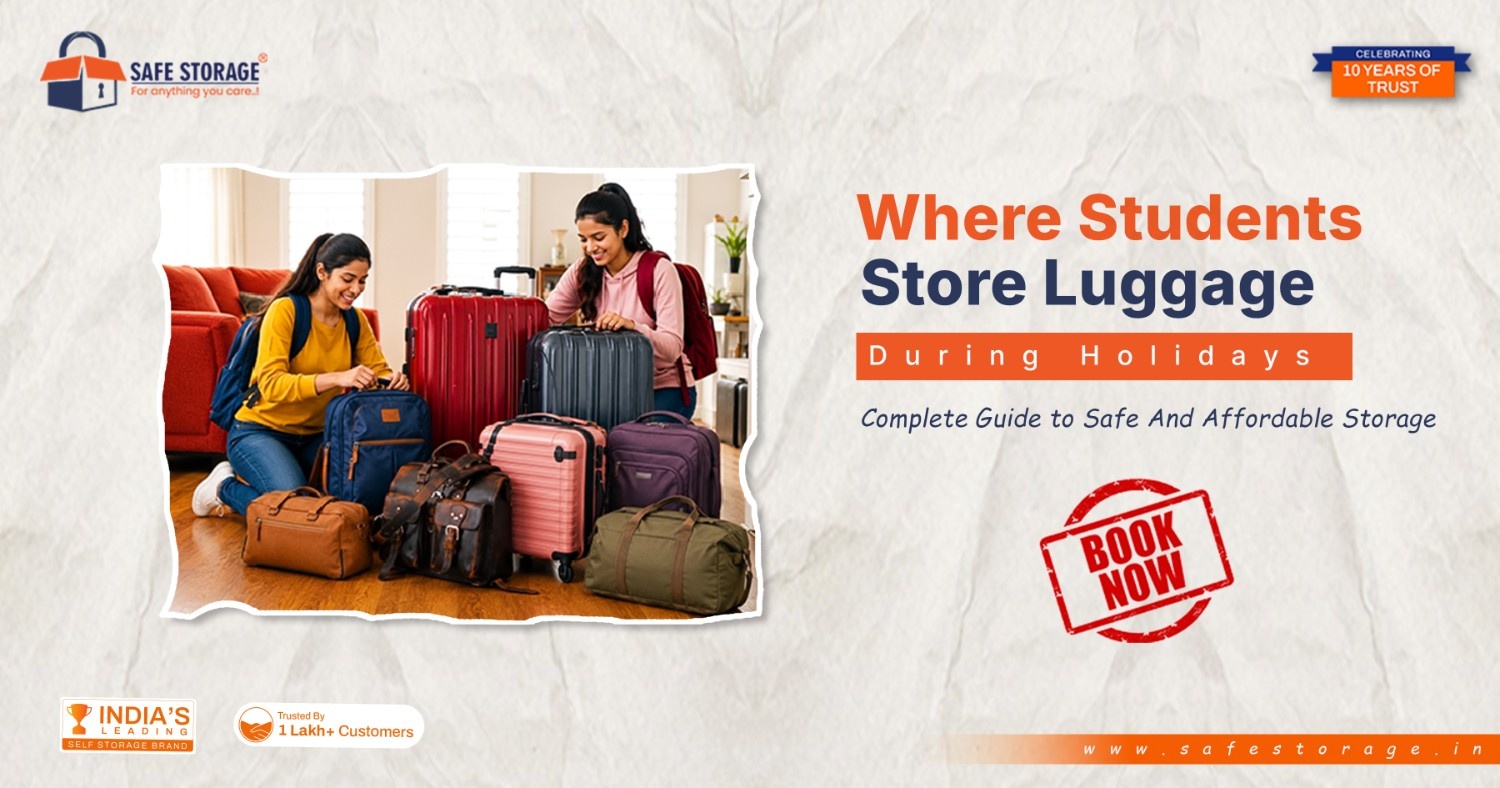
.jpeg)
💬 Comments
Leave a Comment