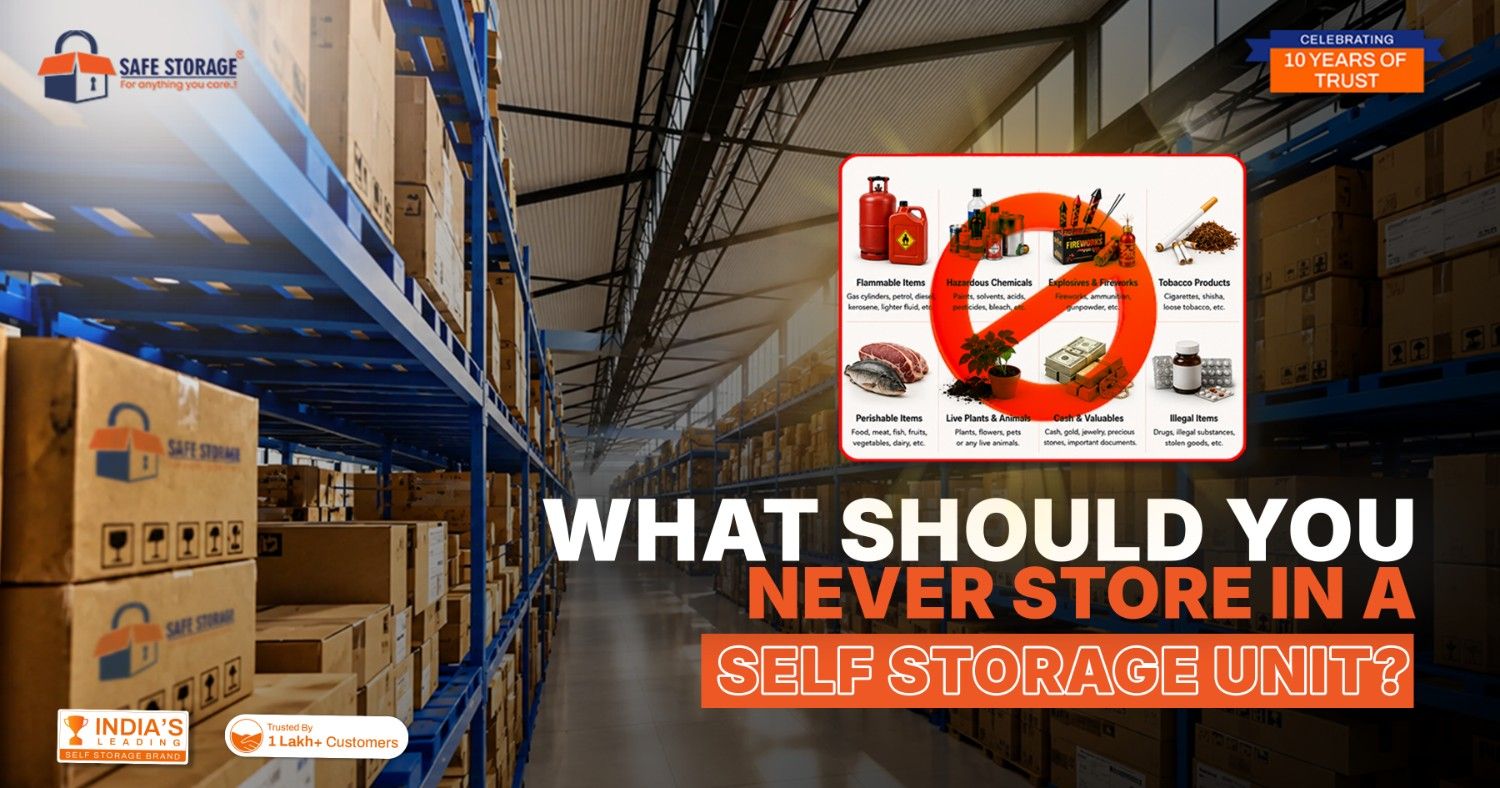
What Should You Never Store in a Self Storage Unit?
Storage restrictions feel like tedious fine print right up until you understand what they actually protect. A storage facility is a shared space: your furniture sits near a hundred other households' belongings, and one leaking chemical, one forgotten bag of rice, one hidden gas cylinder puts every unit in the building at risk. That's why every serious provider maintains a prohibited items list, and why the customers who actually read it are doing themselves a favour, not the facility. The rules exist because someone, somewhere, once packed the thing the rule now bans.
At SafeStorage, our pickup teams politely turn away the same items week after week, usually packed with the very best intentions by customers who simply never thought about it. This guide covers the fifteen things you should never send into storage, why each is banned, what goes wrong when the rule is skipped, and the safe alternative for each one.
Internal links: Explore Safe Self Storage Solutions, Get a Free Storage Quote, Find the Right Storage Plan
Why Some Items Are Not Allowed in Self Storage
Every prohibition traces back to one of five risks. Fire hazards, because a single flammable item endangers the entire building. Health risks, since decomposing or toxic materials in an enclosed space affect staff and neighbouring units. Pest infestation, the fastest-spreading problem a warehouse can face: one food source invites rodents, and rodents don't respect unit boundaries. Legal restrictions, because a facility cannot knowingly hold illegal or regulated goods. And plain damage to other customers' belongings, which is what leaks, smells and moisture ultimately become. The list below isn't bureaucracy; it's the collective reason your own stored items come back exactly as they left.
15 Items You Should Never Store
1. Perishable Food
Rice, grains, oils, spices, pickles, in short anything edible at all. It rots, it smells, and above all it attracts pests that then feast on everyone's belongings. Consume it, gift it to neighbours, or donate it before pickup day. Even sealed packets fail this test, because packaging that survives a kitchen shelf loses to a determined rat in a quiet warehouse night.
2. Flammable Liquids
Petrol, diesel, kerosene, paint thinner, and alcohol-based solvents and sprays. One leak plus one spark is a building-level event, which is why these top every banned list on earth. Use them up, hand them to someone who will, or dispose of them through proper channels. Half-full paint tins are the most common offender we see, and the most casually packed.
3. Gas Cylinders
LPG cylinders, even 'empty' ones, retain gas and pressure. In a sealed unit through an Indian summer, that's a bomb with paperwork. Return cylinders to your gas agency; the deposit refund is the bonus, and the connection transfer to your new address is usually a same-week job anyway.
4. Fireworks & Explosives
Leftover Diwali crackers seem harmless in a shoebox. They aren't; they're heat-sensitive explosives in a warehouse. Use them at the next celebration, soak and dispose of them safely, but never box them; a carton of crackers under six other cartons in June heat is a risk no facility will knowingly accept.
5. Illegal Items
Anything unlawful to possess is unlawful to store, and facilities cooperate fully with authorities. There is no safe alternative here, only the obvious advice, and pickup crews are trained to decline anything questionable on the spot.
6. Live Plants
Plants die in dark units, and dying plants bring moisture, mould and insects with them. Gift your plants to a friend or building neighbour; they'll be alive when your storage term ends, which beats the alternative of collecting a pot of soil and regret six months later.
7. Pets or Animals
It sounds too absurd to need a rule until you learn that people have genuinely tried, with aquariums and birds especially. A storage unit is not ventilated, lit or humane for any living creature. Pet boarding services, friends and family exist for exactly this, and every one of those options ends with the animal alive and happy.
8. Wet or Mouldy Furniture
Moisture is contagious in storage. One damp sofa moulds itself first, then its own cartons, and then its neighbours' belongings too. Dry everything completely in sunlight before pickup; if mould already exists, treat it thoroughly first or let the item go, because storage preserves whatever state an item enters in, including the bad ones.
9. Hazardous Chemicals
Pesticides, acids, pool chemicals, industrial cleaners. Fumes accumulate in sealed spaces and containers degrade over months. Use municipal hazardous-waste disposal for the surplus, and keep only what your home actively needs. If the label says keep away from heat, keep it away from a warehouse too.
10. Medicines
Medicines degrade outside controlled conditions and become useless or unsafe, and regulated drugs raise legal issues besides. Keep current medicines with you, since you'll likely need them before the storage term ends anyway, and return expired ones to a pharmacy for safe disposal.
11. Cash
Currency in storage earns nothing, is typically excluded from insurance coverage, and creates an unnecessary temptation. Banks store money better than cartons do; that is rather their entire business, and they pay you for the privilege instead of the other way around.
12. Jewellery
Gold, precious stones and family heirloom pieces are compact, invaluable and utterly irreplaceable, which is exactly the profile that belongs in a bank locker, never in a carton. Insurance caps rarely match sentimental or actual value. A bank locker first, always, with photographs and valuations kept separately for insurance purposes.
13. Important Original Documents
Passports, property deeds, educational certificates, wills. All replaceable in theory, all nightmarish in actual practice. Store scanned copies digitally, keep originals with you or in a bank locker, and send only duplicate or non-critical paperwork into storage. Old files and records store perfectly well; the one-and-only originals never should.
14. Batteries
Loose batteries, especially lithium ones, leak and can ignite under heat, and a leaked battery ruins the electronics around it. Remove batteries from every device before packing, tape terminal ends if you must transport them, and carry power banks and laptop batteries with you personally.
15. Strong-Smelling Items
Camphor blocks, open masala boxes, naphthalene in bulk, heavily scented goods. Odours migrate steadily into fabric, mattresses and untreated wood across an entire unit, and once absorbed they linger stubbornly for months. Seal what's genuinely essential in airtight containers; leave the rest at home. Your future self, unwrapping a wardrobe that smells only of fabric, will thank you.
Internal links: Household Storage Solutions, Furniture Storage Services, Document Storage Solutions, Business Storage Services
What Can You Safely Store?
The good news: almost everything else. Furniture of every kind, from beds and sofas to wardrobes, is the core of what storage does. Clothes and linens, cleaned and dry, store beautifully for seasons. Electronics, with batteries removed, sit safely in climate-controlled space. Books, seasonal items like festival décor and winter bedding, sports equipment from cycles to cricket kits, household appliances, and office inventory and files for businesses all belong on the approved list. The simple test our teams suggest: if it's dry, legal, inanimate and won't leak, burn or feed a rat, it stores wonderfully. Everything in your home that passes that test, which is genuinely nearly all of it, is welcome, barcoded and insured from the moment it's picked up.
Internal links: View Household Storage Plans, Compare Storage Unit Sizes
How SafeStorage Protects Your Belongings
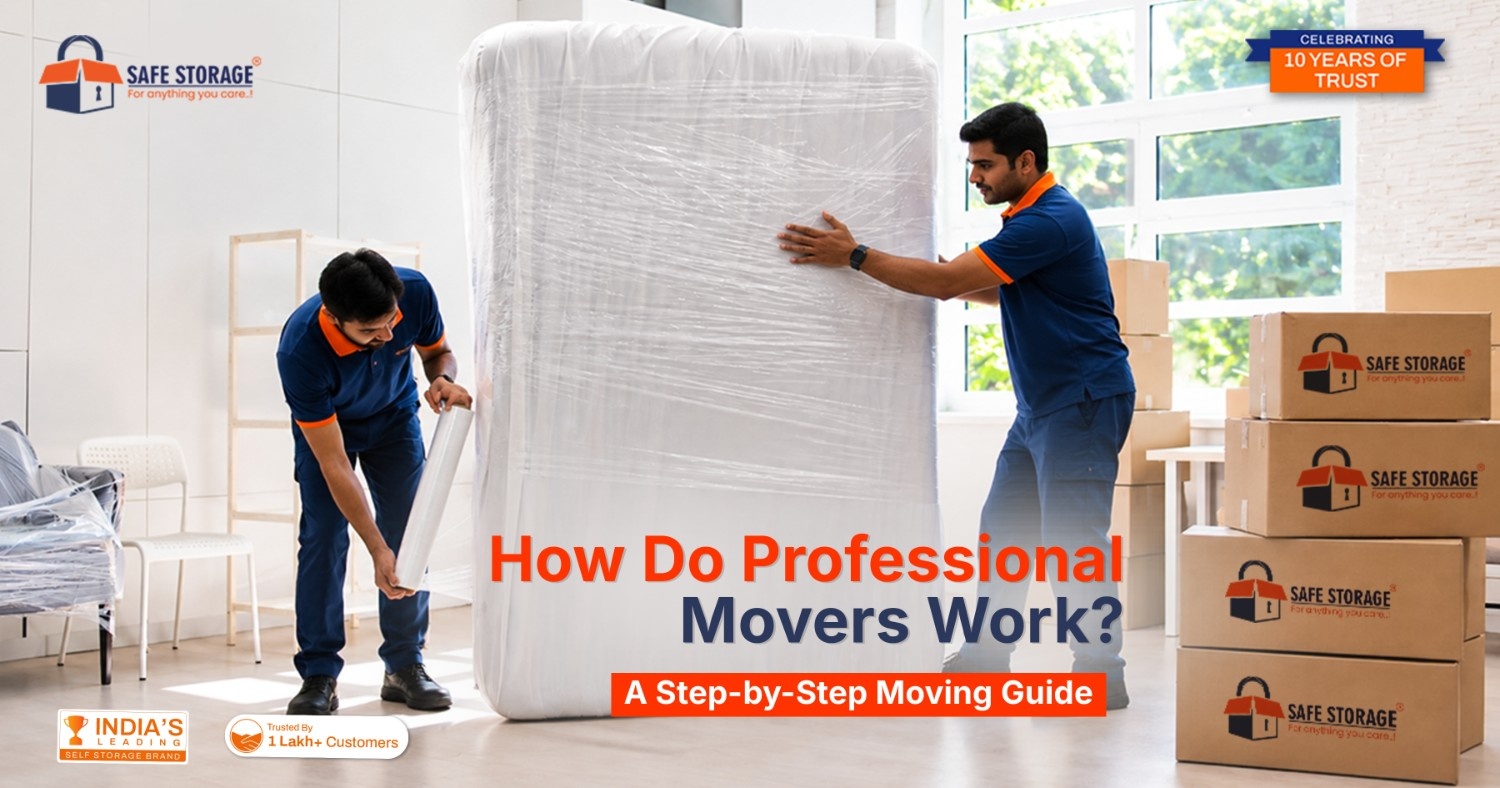
Prohibition lists are half the protection; the facility is the other half. At SafeStorage, every item is barcode-tracked from your doorstep to its shelf, so accountability is item-level, not box-level. Facilities run 24/7 CCTV surveillance with controlled access, and climate-controlled storage keeps the humidity that ruins furniture and electronics permanently outside. Belongings travel in 3-layer secure packing handled by trained crews, doorstep pickup means nothing is squeezed into an auto, and free insurance backs the whole arrangement in writing. It's the combination that matters: the rules keep dangerous items out of the building, and the infrastructure keeps every safe item exactly as safe as promised.
Internal links: Book Secure Self Storage, Request Doorstep Pickup, View Storage Pricing
Tips Before Packing Your Storage Unit
Five habits make any storage term smoother. Clean and fully dry everything first, since dust grinds into surfaces and moisture becomes mould. Label every box on the top and one side with contents and room. Use quality packing materials rather than reused grocery boxes, because cartons carry your belongings' whole weight, literally. Keep a simple inventory list on your phone, so retrieval requests take one message instead of an archaeology session. And avoid overloading boxes; a carton that one person can lift comfortably is a carton that survives the stairs, the truck and the shelf.
Internal links: How to Pack Fragile Items, Complete House Packing Guide
Frequently Asked Questions
1. Can I store food?
No, and that includes sealed dry goods like rice and atta. Food attracts pests and endangers every single unit in the facility. Consume or donate it before pickup.
2. Can I keep medicines in storage?
No. Medicines degrade outside controlled conditions and raise regulatory issues. Keep them with you.
3. Can I store a gas cylinder?
Never, including empty ones, which still hold residual gas. Return cylinders to your gas agency for the deposit.
4. Can I keep cash in a storage unit?
No. Cash is excluded from insurance and belongs in a bank, where it's safer and earns interest.
5. Are electronics allowed?
Yes, and they store well in climate-controlled units. Remove batteries first and pack screens padded and upright.
6. Can I store furniture?
Absolutely; furniture is the most stored category. It's dismantled where possible, wrapped in 3-layer packing and barcode-tracked.
7. Is luggage allowed?
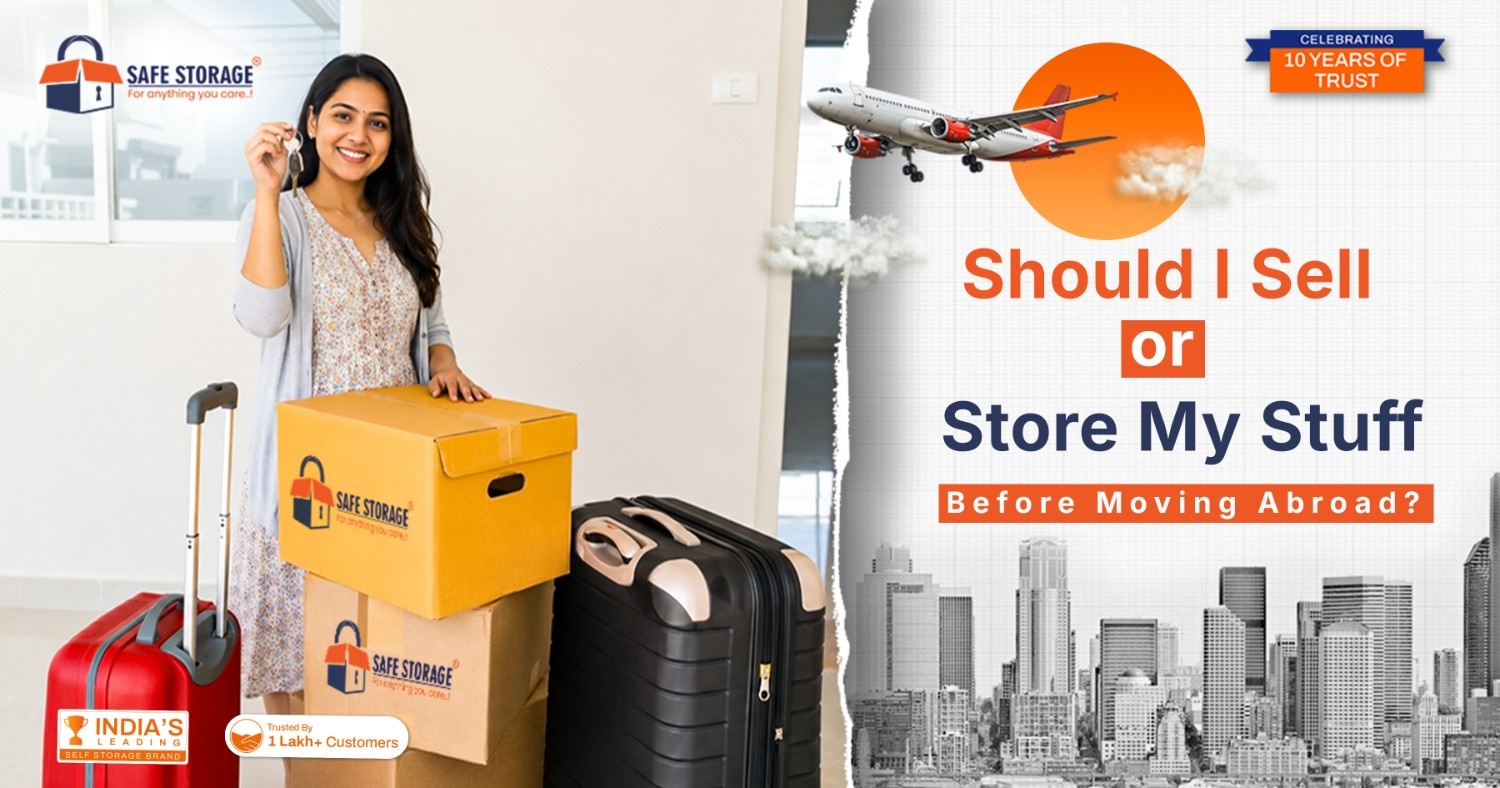
Yes, luggage stores perfectly, from single bags to full family sets, for a day or a year. Just keep valuables and original documents out of the bags before pickup.
8. Can I access my belongings anytime?
Yes, on request, and the barcode inventory means retrieving one item never requires unpacking the unit.
9. What happens if I store prohibited items?
Pickup crews screen for them at your doorstep and will politely decline them on the spot. Anything discovered later is removed, and damage caused by a prohibited item isn't covered by insurance, which is the expensive way to learn the rule.
10. How do I choose the right storage unit?
Match your home type to the plan, then confirm with a free quote against your item list at SafeStorage.in or on 8088848484.
Final Thoughts
The prohibited list protects you twice: it keeps your unit safe from your own riskiest items, and it keeps your neighbours' items away from yours. Store only approved belongings, follow the safety rules, and choose a facility that enforces them, because a storage provider that accepts anything is quietly telling you what sits beside your furniture. Store your belongings with confidence: SafeStorage provides secure storage from Rs 99 per month, with doorstep pickup, barcode tracking, free insurance, climate-controlled facilities and 24/7 CCTV surveillance. Get a free storage quote, compare storage plans, or book your storage unit today at safestorage.in, or call 8088848484.
Store the Right Things, the Right Way – From Rs 99/Month – Call 8088848484 | Visit safestorage.in
💬 Comments
Leave a Comment